




How does the PTFE diaphragm vacuum pump perform in low - pressure environments?
 Jul 27, 2026|
In the realm of vacuum pump technology, the performance of equipment in various environments is a critical factor for users. Among different types of vacuum pumps, the PTFE diaphragm vacuum pump has attracted significant attention, especially when it comes to low - pressure environments. As a PTFE Diaphragm Vacuum Pump supplier, I'm here to shed light on how this remarkable device performs under these specific conditions.
Understanding the Basics of PTFE Diaphragm Vacuum Pump
Before diving into its performance in low - pressure environments, it's essential to understand what a PTFE Diaphragm Vacuum Pump is. PTFE (Polytetrafluoroethylene) is a high - performance polymer known for its excellent chemical resistance, non - stick properties, and low friction coefficient. In a diaphragm vacuum pump, the PTFE diaphragm plays a crucial role in the pumping mechanism.
The working principle of a diaphragm vacuum pump is based on the movement of the diaphragm. When the diaphragm moves up, it creates a vacuum in the pump chamber, allowing the gas to enter. As the diaphragm moves down, the gas is compressed and expelled from the pump. This reciprocating motion ensures a continuous pumping process.
Advantages in Low - Pressure Environments
-
Chemical Resistance: In low - pressure environments, especially those in chemical and pharmaceutical industries, the PTFE diaphragm vacuum pump shines due to its outstanding chemical resistance. PTFE can withstand a wide range of aggressive chemicals, including acids, bases, and organic solvents. This means that the pump can operate in a low - pressure chemical environment without being corroded, ensuring long - term stability and reliability. For example, in a chemical laboratory where volatile and corrosive chemicals are used, a Chemistry Diaphragm Pump with a PTFE diaphragm can handle the low - pressure conditions while remaining unaffected by the chemical substances.
-
Low Contamination Risk: Low - pressure environments often require high - purity conditions, such as in semiconductor manufacturing and food processing. The PTFE diaphragm is non - reactive and does not release any contaminants into the process. Unlike some other types of vacuum pumps that may use lubricants or have internal components that can degrade over time and introduce impurities, the PTFE diaphragm vacuum pump provides a clean and contamination - free pumping solution. This is particularly important in the food industry, where a Food Packing Diaphragm Vacuum Pump is used to create a low - pressure environment for food packaging to extend the shelf life of products without introducing any foreign substances.
-
Efficient Gas Handling: In low - pressure environments, the ability to handle different types of gases efficiently is crucial. The PTFE diaphragm vacuum pump can effectively pump a variety of gases, including air, nitrogen, and some light hydrocarbons. The design of the diaphragm and the pumping chamber allows for a high volumetric efficiency, which means that the pump can move a relatively large volume of gas at low pressures. This is beneficial in applications such as vacuum drying, where a large amount of moisture - laden air needs to be removed from the drying chamber at low pressures.
-
Quiet Operation: Low - pressure environments are often found in settings where noise is a concern, such as laboratories and cleanrooms. The PTFE diaphragm vacuum pump operates relatively quietly compared to some other types of vacuum pumps. The absence of complex moving parts and the smooth operation of the diaphragm result in minimal noise generation. This makes it an ideal choice for environments where a quiet working atmosphere is required.
Performance Metrics in Low - Pressure Environments
-
Ultimate Vacuum Level: One of the key performance indicators of a vacuum pump in a low - pressure environment is its ultimate vacuum level. The PTFE diaphragm vacuum pump can typically achieve a relatively high ultimate vacuum level, often reaching pressures in the range of 10 - 3 to 10 - 4 mbar. This high - level vacuum capability makes it suitable for applications that require a deep vacuum, such as electron microscopy and vacuum coating processes.
-
Pumping Speed: Pumping speed is another important metric. It refers to the volume of gas that the pump can evacuate per unit of time. In low - pressure environments, the PTFE diaphragm vacuum pump can maintain a reasonable pumping speed, which is essential for quickly achieving and maintaining the desired low - pressure conditions. For example, in a research laboratory setting where a rapid transition to a low - pressure environment is required for an experiment, a high - speed High Speed Diaphragm Pump with a PTFE diaphragm can meet the need.
-
Stability: Stability in pressure is crucial for many low - pressure applications. The PTFE diaphragm vacuum pump offers excellent pressure stability. The design of the diaphragm and the control system of the pump ensure that the pressure within the pumping chamber remains consistent over time. This is especially important in processes such as vacuum distillation, where a stable low - pressure environment is necessary for accurate separation of components.
Applications in Low - Pressure Environments
-
Chemical and Pharmaceutical Industries: As mentioned earlier, the chemical resistance and low - contamination properties of the PTFE diaphragm vacuum pump make it an ideal choice for chemical and pharmaceutical processes. In chemical synthesis, the pump can be used to create a low - pressure environment for reactions that require the removal of volatile by - products. In pharmaceutical manufacturing, it can be used in processes such as vacuum drying of drugs and the purification of active pharmaceutical ingredients.
-
Food and Beverage Industry: In the food and beverage industry, the Bagging Diaphragm Vacuum Pump with a PTFE diaphragm is widely used for food packaging. By creating a low - pressure environment inside the packaging, oxygen can be removed, which helps to prevent spoilage and extend the shelf life of the products. Additionally, the clean operation of the pump ensures that no contaminants are introduced into the food.
-
Semiconductor Manufacturing: The semiconductor industry requires extremely clean and stable low - pressure environments for processes such as etching, deposition, and wafer cleaning. The PTFE diaphragm vacuum pump's ability to provide a contamination - free and stable vacuum makes it a valuable component in semiconductor manufacturing equipment.
Maintenance and Longevity in Low - Pressure Environments
Maintenance is an important aspect of any equipment, and the PTFE diaphragm vacuum pump is no exception. In low - pressure environments, the relatively simple design of the pump makes maintenance relatively straightforward. The PTFE diaphragm itself has a long service life due to its high durability and chemical resistance. However, regular inspection of the diaphragm for any signs of wear or damage is recommended.
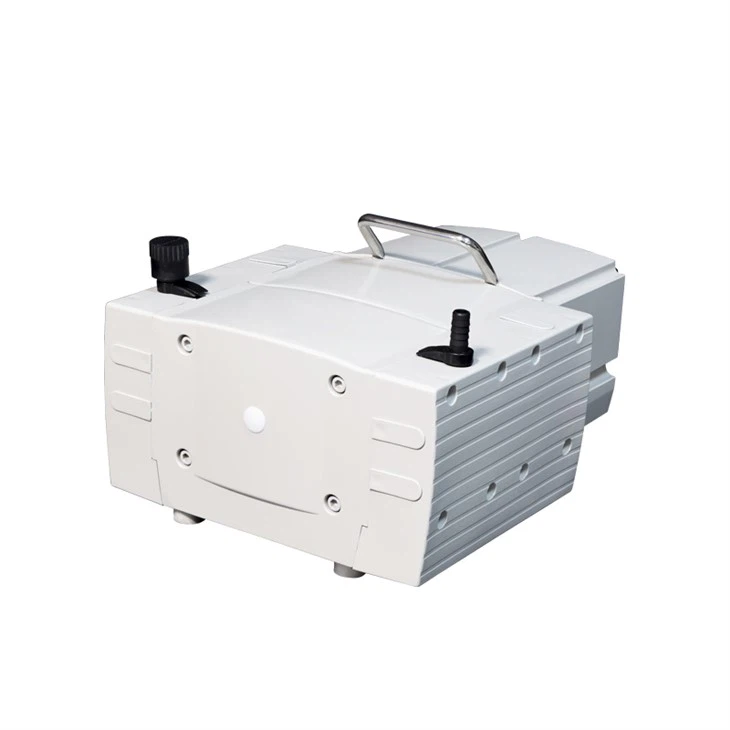

The pumps also require occasional cleaning to remove any particles or contaminants that may have accumulated in the pumping chamber. This can usually be done by following the manufacturer's maintenance guidelines. With proper maintenance, the PTFE diaphragm vacuum pump can have a long service life, providing reliable performance in low - pressure environments for many years.
Conclusion
In summary, the PTFE diaphragm vacuum pump performs exceptionally well in low - pressure environments. Its chemical resistance, low contamination risk, efficient gas handling, quiet operation, and excellent performance metrics make it a preferred choice for a wide range of applications in various industries. Whether you are in the chemical, food, or semiconductor industry, a PTFE diaphragm vacuum pump can meet your low - pressure pumping needs.
If you are interested in learning more about our PTFE Diaphragm Vacuum Pumps or discussing how they can be tailored to your specific low - pressure application, we encourage you to contact us for a detailed consultation. Our team of experts is ready to assist you in finding the most suitable pumping solution for your requirements.
References
- Smith, J. (2018). Advanced Vacuum Technologies for Industrial Applications. Springer.
- Brown, A. (2020). Handbook of Chemical Engineering Processes. Wiley.
- Chan, S. (2021). Food Packaging Technology: Principles and Practice. Elsevier.