




Are there any safety precautions when operating an oil sealed vacuum pump?
 Jul 17, 2026|
 Are there any safety precautions when operating an oil sealed vacuum pump? You bet there are! As a supplier of oil sealed vacuum pumps, I've seen it all - the good, the bad, and the sometimes downright dangerous. So, let's dive into some key safety tips to keep you and your pump in good shape.
1. Read the Manual First
I know, I know. Reading manuals isn't the most exciting thing in the world. But trust me, it's crucial. Every oil sealed vacuum pump is a bit different, and the manufacturer's manual will have all the specific details about your pump's operation and safety features. It'll tell you things like the right type of oil to use, how to start and stop the pump correctly, and what to do if something goes wrong. Skipping this step is like trying to drive a car without knowing where the brakes are - not a good idea.
2. Check the Surroundings
Before you fire up your Hand Oil Vacuum Pump, take a look around. Make sure the area is well - ventilated. Oil sealed vacuum pumps can release some fumes during operation, and breathing those in isn't healthy. Also, keep the pump away from any sources of heat or flames. You don't want a fire hazard on your hands. And clear the area of any clutter. Tripping over a cord or a tool while you're operating the pump could lead to some serious accidents.
3. Inspect the Pump Regularly
A little bit of maintenance goes a long way. Check the pump for any signs of wear and tear before each use. Look at the hoses for cracks or leaks. A leak in the vacuum system can not only reduce the pump's efficiency but also be a safety risk. Also, make sure the oil level is correct. Too little oil can cause the pump to overheat and break down, while too much can lead to oil spills. And don't forget to check the belts and pulleys (if your pump has them). Loose or worn - out belts can come off during operation and cause damage.
4. Use the Right Accessories
Using the correct accessories is essential for safe operation. When connecting hoses or other components to your Electric Vacuum Pump, make sure they are the right size and type. Using the wrong hoses can lead to leaks or improper connections. Also, if your pump has a filter, make sure it's clean and in good condition. A clogged filter can reduce the pump's performance and put extra strain on the motor.
5. Follow Proper Start - up and Shut - down Procedures
Starting and stopping your oil sealed vacuum pump the right way is important. First, make sure all valves are in the correct position before starting. This will prevent any backflow or pressure build - up that could damage the pump. When starting the pump, turn it on slowly and listen for any strange noises. If you hear something off, turn it off immediately and check for problems.
When it's time to shut down the pump, follow the manufacturer's instructions. Usually, you'll want to stop the vacuum source first and then turn off the pump. This will prevent oil from being sucked back into the system.
6. Wear Appropriate Safety Gear
Personal safety gear is a must when operating an oil sealed vacuum pump. Wear safety goggles to protect your eyes from any flying debris or oil splashes. Gloves are also a good idea, especially if you need to handle the hoses or other parts of the pump. And if you're working in a noisy environment, ear protection is recommended. Remember, your safety is more important than anything else.

7. Be Aware of Electrical Safety
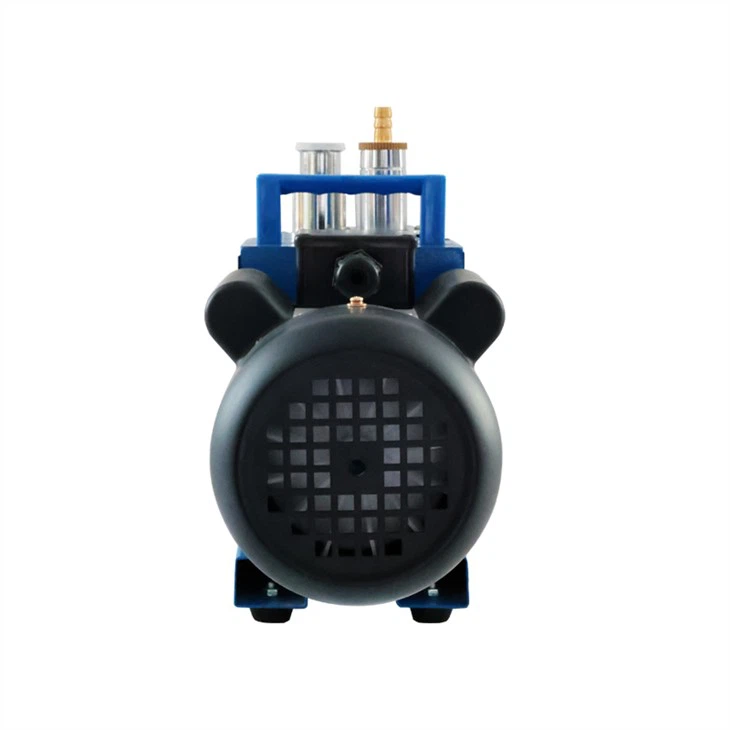
If you're using an electric vacuum pump like our Air Conditioning Manifold Gauges Vacuum Pump, electrical safety is crucial. Make sure the pump is plugged into a proper grounded outlet. Never use a damaged cord or plug. If you notice any electrical problems, such as sparks or a burning smell, turn off the pump immediately and have it checked by a qualified electrician.
8. Proper Disposal of Oil
The oil in your vacuum pump needs to be replaced periodically. When you do this, make sure you dispose of the old oil properly. It's important not to pour it down the drain or into the environment. Many local waste management facilities have special programs for recycling used oil. Follow these guidelines to keep the environment clean and avoid any legal issues.
9. Training and Knowledge Sharing
If you have employees or colleagues who will be operating the oil sealed vacuum pump, make sure they are properly trained. Everyone should know the safety precautions and how to operate the pump correctly. Encourage them to share any concerns or problems they notice during operation. Sometimes, a small issue caught early can prevent a big disaster later.
10. Emergency Preparedness
Even with all the safety precautions in place, accidents can still happen. Make sure you have an emergency plan in place. Know what to do in case of a fire, a pump failure, or an oil spill. Keep a fire extinguisher nearby and make sure everyone knows how to use it. Having a first - aid kit on hand is also a good idea.
By following these safety precautions, you can operate your oil sealed vacuum pump safely and efficiently. At our company, we're dedicated to providing high - quality Freeze Dryer Oil Pump and other related products. If you're in the market for a reliable oil sealed vacuum pump or have any questions about safety or operation, don't hesitate to reach out. We're here to help you make the right choice and ensure a safe working environment.
Whether you need a Protable Oil Air Suction Pump for a small project or a larger industrial - grade pump, we've got you covered. Our team of experts is always ready to provide you with the best advice and support. So, if you're interested in learning more or making a purchase, feel free to contact us for a friendly chat and some professional guidance.
References
- General industrial safety guidelines from OSHA (Occupational Safety and Health Administration)
- Manufacturer's manuals of various oil sealed vacuum pumps