




Can an oil sealed vacuum pump be used in a food processing vacuum operation?
 Sep 15, 2026|
 As a supplier of oil sealed vacuum pumps, I often encounter inquiries from customers in the food processing industry about whether our oil sealed vacuum pumps can be used in their vacuum operations. This is a critical question, as the food processing sector demands high - standards of hygiene, safety, and product quality. In this blog, I will delve into the feasibility of using oil sealed vacuum pumps in food processing vacuum operations, exploring the pros, cons, and considerations.
Working Principles of Oil Sealed Vacuum Pumps
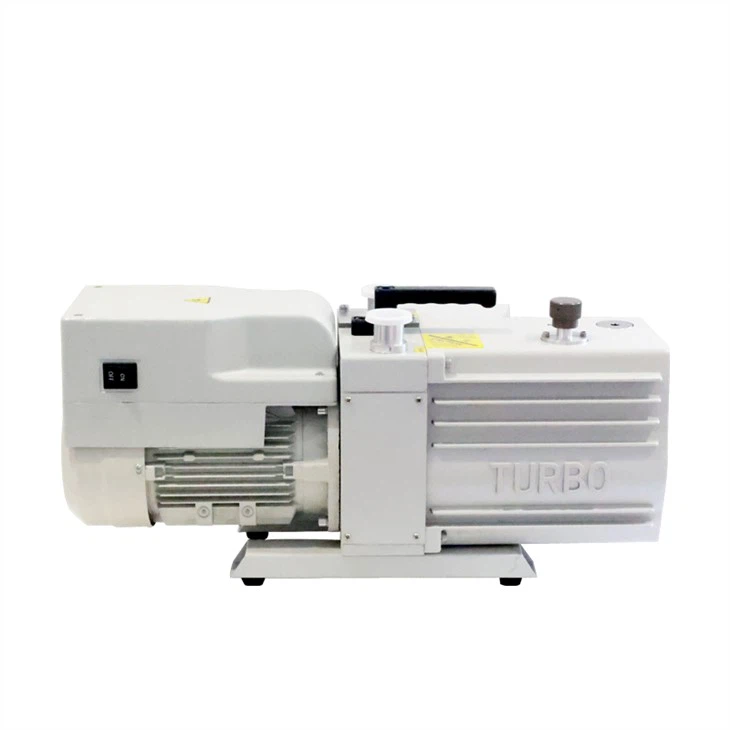
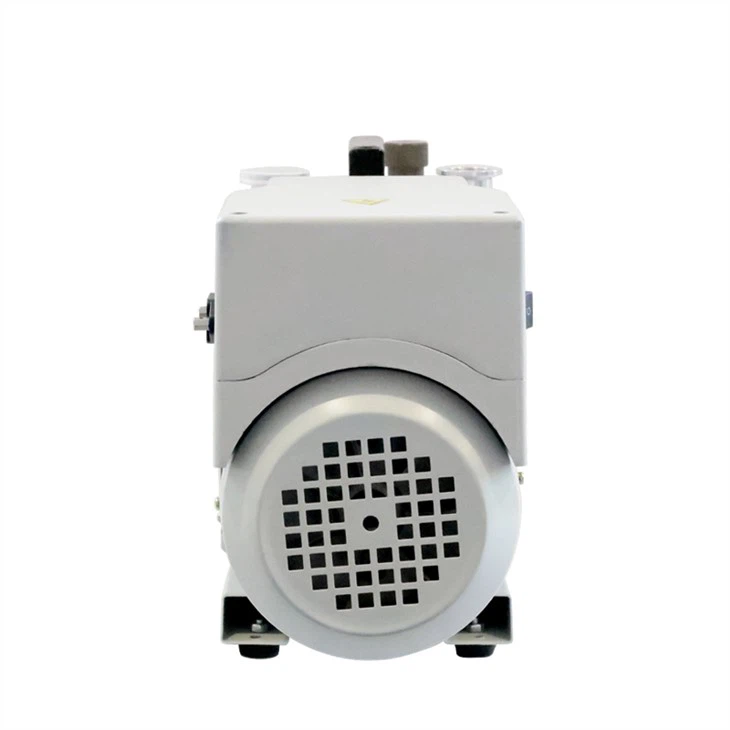
Before discussing their application in food processing, it's essential to understand how oil sealed vacuum pumps work. These pumps operate based on the positive - displacement principle. The oil in the pump serves multiple purposes. Firstly, it acts as a lubricant, reducing friction between moving parts, which prolongs the pump's lifespan and ensures smooth operation. Secondly, the oil provides a seal, preventing gas from leaking back into the vacuum chamber. Thirdly, it helps to cool the pump by carrying away the heat generated during the pumping process.
Advantages of Using Oil Sealed Vacuum Pumps in Food Processing
High Vacuum Capability
One of the significant advantages of oil sealed vacuum pumps is their ability to achieve a relatively high vacuum level. In food processing, a high - vacuum environment can be crucial for various operations. For example, in the freeze - drying process, a low - pressure environment is necessary to sublimate water from the food products directly from the solid to the gaseous state without passing through the liquid phase. This helps to preserve the nutritional value, flavor, and texture of the food. Our Freeze Dryer Oil Pump is specifically designed to meet the high - vacuum requirements of freeze - drying applications, ensuring efficient and effective drying of food products.
Cost - effectiveness
Oil sealed vacuum pumps are generally more cost - effective than some other types of vacuum pumps, such as dry pumps. They have a relatively simple design and lower manufacturing costs, which can be an attractive option for small and medium - sized food processing enterprises. This cost - efficiency allows food producers to invest in other aspects of their business, such as product development and marketing.
Stable Performance
These pumps offer stable performance over a wide range of operating conditions. They can handle different gas loads and maintain a consistent vacuum level, which is crucial for ensuring the quality and consistency of food products. For instance, in vacuum packaging operations, a stable vacuum level ensures that the bags are properly sealed, preventing the entry of oxygen and bacteria, thus extending the shelf - life of the food.
Disadvantages of Using Oil Sealed Vacuum Pumps in Food Processing
Risk of Oil Contamination
The most significant drawback of using oil sealed vacuum pumps in food processing is the risk of oil contamination. If the oil in the pump leaks or is carried over into the vacuum chamber, it can come into contact with the food products, leading to contamination. This not only affects the quality of the food but also poses a potential health risk to consumers. To minimize this risk, some modern oil sealed vacuum pumps are equipped with advanced oil - retention systems. However, there is still a small possibility of oil carry - over, especially in the case of pump malfunctions or improper maintenance.
Hygiene Concerns
Maintaining a high level of hygiene is a top priority in the food processing industry. Oil sealed vacuum pumps require regular oil changes and maintenance, which can be a source of contamination if not carried out properly. The oil and other contaminants in the pump can accumulate over time and may be difficult to clean completely. In addition, the presence of oil can attract dust and other particles, further complicating the hygiene management process.
Key Considerations for Using Oil Sealed Vacuum Pumps in Food Processing
Selecting the Right Pump Model
When choosing an oil sealed vacuum pump for food processing, it is crucial to select the right model based on the specific requirements of the application. For example, if the operation requires a high - vacuum level and minimal oil carry - over, a pump with advanced oil - retention technology, would be a better choice.
Installation and Maintenance
Proper installation and regular maintenance are essential to ensure the safe and efficient operation of oil sealed vacuum pumps in food processing. The pump should be installed in a clean and well - ventilated area, away from food production areas to minimize the risk of contamination. Regular oil changes, filter replacements, and inspections are necessary to prevent oil leaks and ensure the pump's performance.
Compliance with Regulations
The food processing industry is subject to strict regulations regarding food safety and hygiene. When using oil sealed vacuum pumps, it is necessary to ensure that the pumps comply with relevant regulations, such as FDA (Food and Drug Administration) requirements in the United States or EU food safety standards in Europe. This may involve using food - grade oil and ensuring that the pump design does not allow for easy contamination of food products.
Alternative Solutions
In some cases where the risk of oil contamination is unacceptable, alternative types of vacuum pumps can be considered. Dry vacuum pumps, for example, do not use oil for sealing and lubrication, eliminating the risk of oil contamination. However, dry pumps are generally more expensive and may have lower vacuum capabilities compared to oil sealed pumps. Diaphragm vacuum pumps, such as our Mini Single Stage Vacuum Pump, are also a good option for some low - pressure food processing applications. They are oil - free and relatively inexpensive, but their performance may be limited in terms of vacuum level and pumping speed.
Conclusion
In conclusion, oil sealed vacuum pumps can be used in food processing vacuum operations, but careful consideration must be given to the advantages and disadvantages. Their high vacuum capability and cost - effectiveness make them an attractive option for many food processing applications. However, the risk of oil contamination and hygiene concerns cannot be ignored. By selecting the right pump model, ensuring proper installation and maintenance, and complying with relevant regulations, the potential risks can be minimized.
If you are in the food processing industry and are considering a vacuum pump for your operations, I would be more than happy to help you make the right choice. We offer a wide range of oil sealed vacuum pumps, including Hand Oil Vacuum Pump, Hand Rotary Vane Vacuum Pump, and many others. Please feel free to contact me to discuss your specific requirements and explore the best solutions for your business.
References
- "Vacuum Technology in the Food Industry" by various authors, published by a leading vacuum technology research institute.
- FDA regulations on food processing equipment and hygiene.
- EU food safety standards related to vacuum equipment in food processing.