




What is the compatibility of a vacuum pump for defoaming with different chemicals?
 Sep 22, 2026|
 Vacuum pumps are widely used in various industrial processes, and one of their important applications is defoaming. Defoaming is crucial in many industries, such as chemical, pharmaceutical, and food, where excessive foam can disrupt operations, affect product quality, and reduce efficiency. As a supplier of vacuum pumps for defoaming, understanding the compatibility of these pumps with different chemicals is of utmost importance. This knowledge not only ensures the proper functioning of the equipment but also guarantees the safety of the process and the quality of the final product.
Understanding the Basics of Vacuum Pumps for Defoaming
Before delving into the compatibility issue, it is essential to understand how vacuum pumps work in defoaming. A vacuum pump creates a negative pressure environment, which helps to break the surface tension of the foam. When the pressure is reduced, the gas bubbles inside the foam expand and eventually burst, leading to the collapse of the foam structure.
There are different types of vacuum pumps available for defoaming, each with its own advantages and limitations. For example, scroll vacuum pumps are popular due to their high efficiency, low noise, and oil - free operation. Our company offers a range of scroll vacuum pumps, including the Glove Box Scroll Vacuum Pump, the Small Protable Scroll Vacuum Pump, the Air Vacuum Pump For Bagging, the Air Operated Scroll Vacuum Pump, and the Scroll Vacuum Pump Used in Industries.
Factors Affecting Compatibility
The compatibility of a vacuum pump for defoaming with different chemicals is influenced by several factors.
- Chemical Reactivity: Some chemicals are highly reactive and can corrode or damage the materials of the vacuum pump. For instance, strong acids or alkalis can react with the metal components of the pump, leading to rusting, pitting, or even structural failure. It is important to choose a vacuum pump made of materials that are resistant to the specific chemicals involved in the process. For example, pumps with stainless - steel parts are more suitable for handling corrosive chemicals compared to those with regular steel components.
- Vapor Pressure: The vapor pressure of a chemical affects its volatility. Chemicals with high vapor pressure tend to evaporate more readily under vacuum conditions. If the condensate of the chemical vapor forms in the pump, it can cause problems such as reduced pumping speed, increased wear, and potential contamination of the pump oil (if it is an oil - lubricated pump). In such cases, oil - free pumps are often a better choice as they are less likely to be affected by chemical vapor condensation.
- Particulate Matter: Some chemicals may contain particulate matter, such as solid particles or dust. These particles can enter the vacuum pump and cause abrasion, clogging, or damage to the moving parts. Filters can be installed in the system to prevent particulate matter from reaching the pump, but the type and size of the filter need to be carefully selected based on the nature and size of the particles in the chemical.
Compatibility with Different Types of Chemicals
Organic Chemicals
Organic chemicals are widely used in many industries, such as the production of plastics, solvents, and pharmaceuticals. Most organic solvents have relatively high vapor pressures, which can pose challenges for vacuum pumps. For example, solvents like acetone and toluene are highly volatile. When using a vacuum pump for defoaming processes involving these solvents, it is important to ensure that the pump can handle the solvent vapors without being affected. Our scroll vacuum pumps, which operate oil - free, are well - suited for such applications as they are less likely to be contaminated by the organic vapors.
Inorganic Chemicals
Inorganic chemicals include acids, bases, salts, and metal compounds. Strong acids, such as sulfuric acid and hydrochloric acid, are highly corrosive. When working with these chemicals, the choice of vacuum pump is critical. Pumps with corrosion - resistant coatings or made of materials like ceramic or Teflon - lined components can be used. For example, in a chemical plant where defoaming is required during the production of sodium hydroxide (a strong base), a vacuum pump with appropriate corrosion - resistant construction should be selected to ensure long - term operation.
Bio - chemicals
In the pharmaceutical and biotech industries, bio - chemicals such as proteins, enzymes, and antibiotics are commonly used. These chemicals are often sensitive to temperature, pressure, and contamination. The vacuum pump used for defoaming in these processes should be able to maintain a clean and stable environment. Oil - free scroll vacuum pumps are a good option as they do not introduce oil - based contaminants into the process, which could potentially denature the bio - chemicals.
Testing and Verification of Compatibility
To ensure the compatibility of a vacuum pump with different chemicals, several testing methods can be employed.
- Simulation Tests: In the laboratory, small - scale simulation tests can be carried out. The chemical is exposed to the vacuum environment created by the pump under controlled conditions. The performance of the pump, such as pumping speed, ultimate vacuum, and noise level, is monitored over a period of time. Any signs of corrosion, damage, or reduced efficiency are carefully recorded.
- Field Trials: In real - world industrial settings, field trials can provide valuable information. The vacuum pump is installed in the actual defoaming process, and its performance is observed over an extended period. Operators can report any issues such as abnormal vibrations, leaks, or changes in the defoaming efficiency. This feedback can be used to make adjustments or select a more suitable pump if necessary.
Importance of Compatibility
Ensuring the compatibility of a vacuum pump for defoaming with different chemicals is not only about the proper functioning of the equipment but also has broader implications.
- Product Quality: In industries such as food and pharmaceuticals, the quality of the final product is directly affected by the defoaming process. If the vacuum pump is not compatible with the chemicals involved, it can introduce contaminants or cause changes in the chemical properties of the product, leading to a decrease in quality.
- Safety: Compatibility is also crucial for safety reasons. For example, if a corrosive chemical reacts with the pump and causes a leak, it can pose a significant risk to the operators and the environment. By choosing a compatible vacuum pump, the risk of accidents can be minimized.
- Cost - effectiveness: A compatible vacuum pump will have a longer service life and lower maintenance costs. If an incompatible pump is used, it may require frequent repairs or replacements, which can increase the overall operating costs of the defoaming process.
Conclusion
As a supplier of vacuum pumps for defoaming, we understand the importance of ensuring the compatibility of our pumps with different chemicals. Our range of scroll vacuum pumps, including the Glove Box Scroll Vacuum Pump, Small Protable Scroll Vacuum Pump, Air Vacuum Pump For Bagging, and Scroll Vacuum Pump Used in Industries, are designed to meet the diverse needs of different industries.
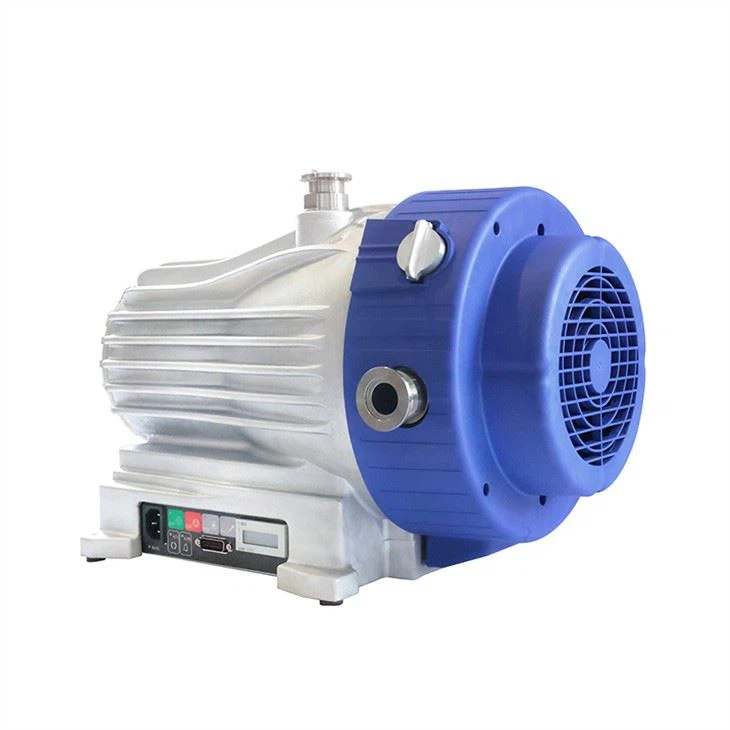

We are committed to working closely with our customers to understand their specific chemical requirements and provide the most suitable vacuum pump solutions. If you are looking for a reliable vacuum pump for defoaming and want to discuss your needs in detail, please feel free to contact us for a professional consultation. We are here to help you optimize your defoaming process and ensure the best results.
References
- Brown, A. "Vacuum Technologies for Chemical Processes." Chemical Engineering Journal, 2018.
- Green, B. and White, C. "Compatibility of Vacuum Pumps with Industrial Chemicals." Industrial Vacuum Systems Handbook, 2020.
- Smith, D. "Defoaming Techniques in the Pharmaceutical Industry." Pharmaceutical Manufacturing Review, 2019.